
Optimize
what matters.
One intake. One audit. A decision-ready briefing before your next budget meeting.
$199 one-time · No subscription · No discovery call · Immediate value
0+ years
enterprise AI experience
0+
employees on Copilot at BASF
0 min
from intake to briefing
You have to make AI decisions.
You don't have time to become an AI expert.
You need a reliable, expert second opinion right now.
One memo.
Everything you need.
Stack snapshot
Every tool, every seat, every dollar — mapped in one view.
Waste signals
Overlap, duplication, and low-adoption seats — flagged automatically.
Governance risk flags
Compliance gaps, shadow AI, and unowned workflows — surfaced before they become problems.
Ready in under 10 minutes
Complete the intake in 5–7 minutes. Results generate in under a minute. You're done before the next meeting.
Recommendations + roadmap
Not just diagnosis — a prioritized path forward with clear next steps.
See it before you buy it.
A full audit — tools, spend, overlap, risks, recommendations, roadmap. Scroll through before running your own.


Intake to briefing in under 10 minutes.
01
Answer the intake
5–7 minutes covering tools, spend, team, and goals.
02
Agent audits your stack
Maps overlap, spend, governance risks, and workflow fit.
03
Briefing generated
Plain-English report with recommendations and roadmap.
04
Walk in sharper
Export to PDF. Bring it to any conversation.
My expertise.
Your decision.
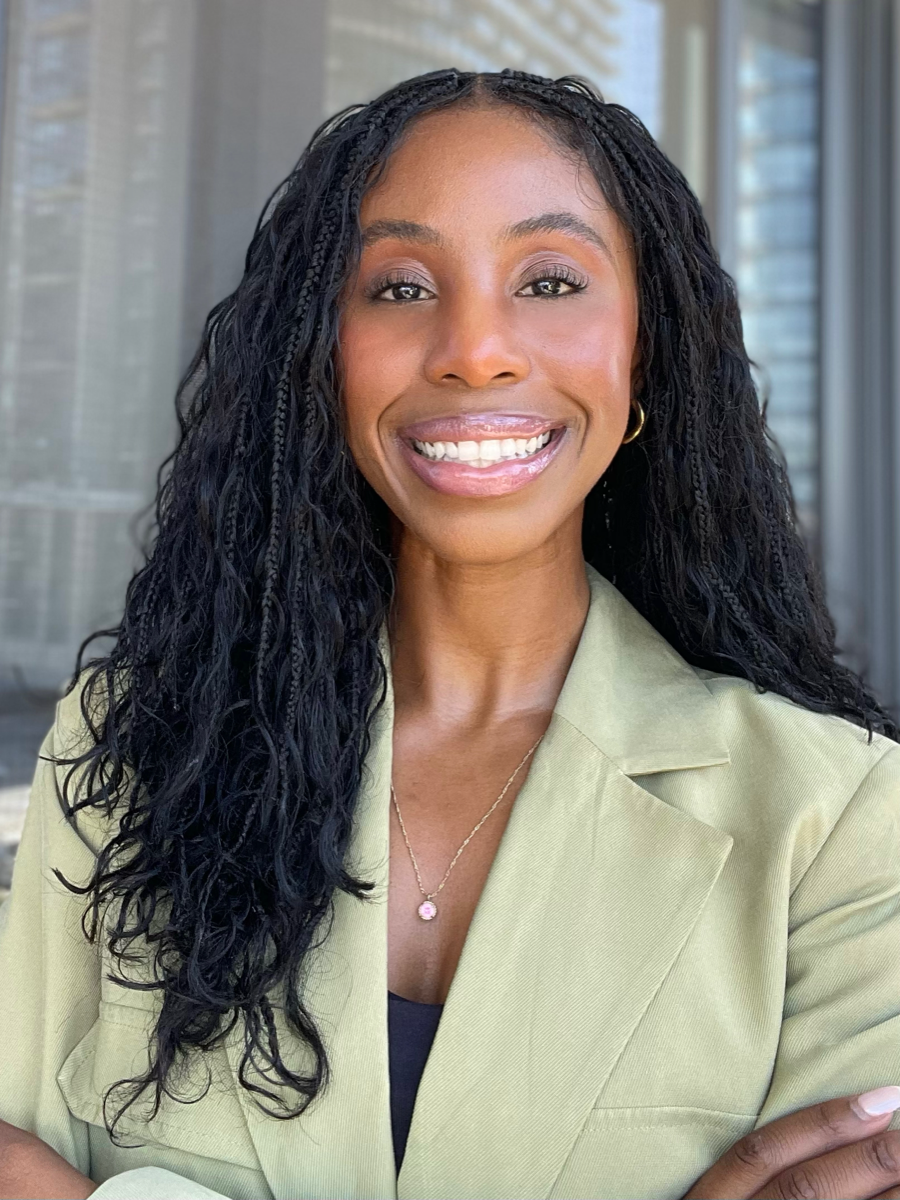
Built by Bintu Alkassoum — 5+ years in enterprise AI adoption, Microsoft Copilot rollout lead for 13,000 employees at BASF.
BINTU.ai sits between buying AI software and hiring a consultant. One artifact. One question answered. No platform to manage.
Hi, I'm Bintu.
I've spent the last five years inside enterprise AI — leading Microsoft Copilot rollout for 13,000 employees at BASF, building AI prototypes, writing ROI frameworks, and sitting in a lot of rooms where leaders were trying to figure out what AI was actually doing for their business.
What I kept seeing: three departments buying the same tool under different names. AI pilots with no clear owner. Leaders nodding through conversations they didn't feel equipped to direct. Budget approvals made on vendor pitch decks alone.
I built BINTU.ai to fix that. Not as another platform. As a self-serve studio that turns your business context into a decision-ready artifact — so you can walk into any AI conversation already oriented.
My expertise. Your decision.
— Bintu

5+ years
AI systems, workflow design, and enterprise adoption.

Enterprise AI
Practical adoption lessons from inside large organizations.

13,000+ employees
Led Microsoft Copilot adoption at BASF.

Top 30 Under 30
Recognized by Schulich for AI innovation.

Top 36 founder
Selected from a 1,000+ applicant Next 36 pool.
Start with one. Scale from there.
No subscriptions. No retainers. Pay for what you need.
Single audit
One intake. One decision-ready audit. Delivered in under 10 minutes.
- Current spend breakdown
- Overlap and duplication signals
- Waste and governance risk flags
- Workflow fit analysis
- Plain-English recommendations
- Implementation roadmap
- PDF export
5-audit pack
Five full audits — run them yourself, use them for clients, or share across your team.
- Everything in Single audit ×5
- Save $496 vs. individual
- Each audit is independent
- No expiry
1:1 review session
Walk through your audit results with Bintu directly. Ask questions, explore trade-offs, set direction.
- 60-minute session with Bintu
- Your audit as the agenda
- Decision support and Q&A
- Recorded on request
Enterprise
Multi-tenant deployments for consultants, firms, or teams running audits at scale.
- White-label reporting
- Bulk audit runs
- Custom intake templates
- Dedicated support
What to know.
Fast answers before you start.
Delegate the intake. Own the output.
Download the template, hand it to your EA, upload it here. Done.
We get it, you're busy. Save 5 minutes.
Download our intake template, send it to your assistant or operations lead to fill out, and attach it here. We'll automatically process it and populate the audit flow for you.
Walk into your next AI conversation already oriented.
$199 · One intake · One audit · Done before the next meeting.